
från ”Mindre sammandrag af
vetenskaperne,” 1781.av Olof Bergklint.
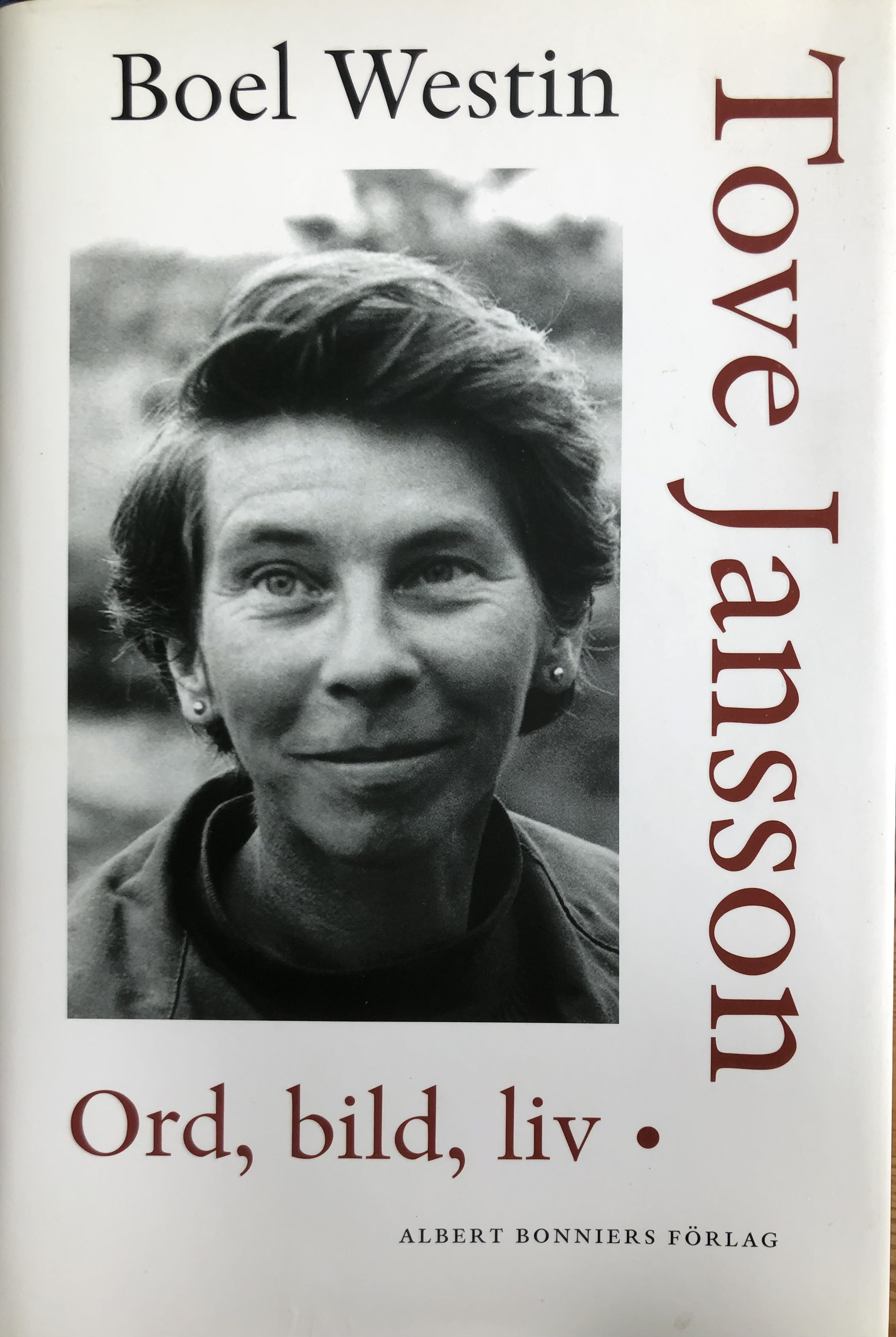
Boel Westins bok ”Tove Jansson, Ord, bild, liv.” var en av de sista böcker min mamma läste. Nu har den stått där i bokhyllan i flera år; lockat och avskräckt mig. Lockat mig därför att Tove var en otroligt intressant person — men avskräckt mig därför att med sina 596 sidor, vet jag att den kommer att hålla mig trollbunden en lång tid framöver.

För några veckor sedan överraskade väninnan Liselott mig med en blixtvisit (inga komplikationer uppstod eftersom hon medförde förning). Förutom det hembakta hade hon med sig ”Berömda och glömda stockholmskvinnor”, en bok av Lisbeth Scheutz, som hon lånade av mig för flera år sedan — nu ser jag fram emot att läsa om den.
Eftersom jag är en söderböna, gick jag nu direkt på kapitlet om kvinnor som bott på Söder, och minns att jag, då jag löste boken för första gången, fascinerandes av stycket om Ann Charlotte Leffler som jag redan hade ett gott öga till. En bok full av intressanta kvinnor Siri Derkert, Klara Johanson, Maria Rögle, Anna Branting, Sigrid Fridman är bara några få av dem.
De verkar som du antingen får vända dig till biblioteket om du vill läsa den här boken — om du inte kan hitta den antikvariskt.

Robert Lynds essäer är alltid lika intressanta och stimulerande att läsa — hans namn hör tio de permanenta på min återvänd-till-lista. I dag väljer jag hans bok ”Pleasures of Ignorance”.
I titelnovellen konstaterar han att en av fördelarna med att vara okunnig är att det ger oss möjligheten att lära oss något nytt — eller på nytt.
Och i ”The Hum of Insects” börjar han med att tala om hur enerverande en mygga kan vara:
”It makes all the difference whether you hear an insect in the bedroom or in the garden. In the garden the voice of the insect soothes; in the bedroom it irritates. In the garden it is the hum of spring; in the bedroom it seems to belong to the same school of music as the bizz of the dentist's drill or the saw-mill.”
Därifrån vandrar hans tankar vidare till diverse andra småkryp i trädgården, för att sluta med ett möte med en igelkott:
”Then there was the hedgehog. The charm of hedgehogs is that we do not
see them every day—that their appearance is a secret and an accident.
They are a part of the busy life that goes on all about us as mysteriously as the movements of spirits. Consequently, when I was looking over a sloping field the other evening and, hearing a crackling as of sticks being trodden on, turned my eyes and saw anliving creature making its way out of a wood into the grass, I was delighted to find that it was a hedgehog and not a man or a rat. I could see it only dimly in the twilight, and it was difficult to believe that so small an animal had made so great a noise. The pleasure of recognition, unfortunately, was not mutual. No sooner didnthe hedgehog hear a foot pressing on the road than it gave up all thoughts of its supper of insects ”and hobbled back into the thicket. I regretted only that I had not made a greater noise, and scared it intonrolling itself into a ball, as everybody says it does when alarmed.
But it is perhaps just as well that the hedgehog did not merely repeat itself in this way. We like a certain variety of behaviour in animals—some element of the unexpected that always keeps our curiosity alive and looking forward.”


